A Timeline of Key Events Leading to Philippine Independence
The Philippines, a vibrant archipelago in Southeast Asia, has a rich and complex history of resistance, revolution, and resilience. The journey toward Philippine independence is a story of determination and courage, filled with pivotal moments that shaped the nation’s path to freedom. This article explores the key events that contributed to the Philippines’ independence, from the arrival of foreign colonizers to the ultimate declaration of sovereignty.
The Arrival of Ferdinand Magellan and the Beginning of Colonization (1521)
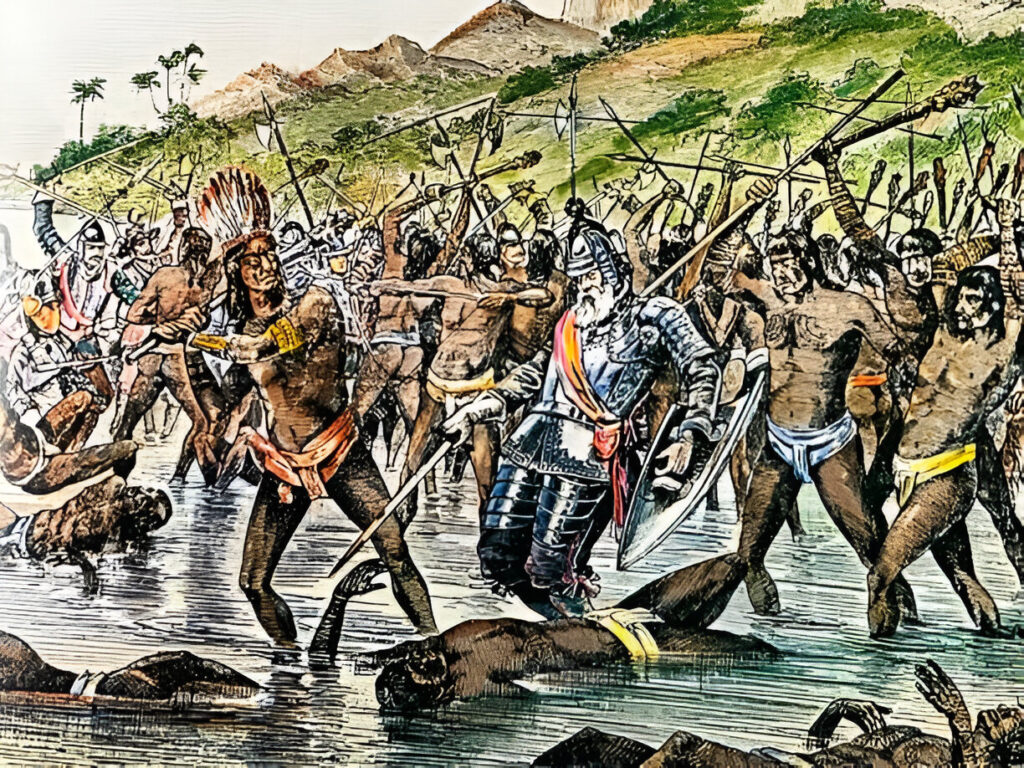
In 1521, Ferdinand Magellan, a Portuguese explorer sailing for Spain, arrived in the Philippines. This marked the beginning of more than 300 years of Spanish colonization. While Magellan’s initial interactions with local rulers, such as Rajah Humabon of Cebu, were peaceful, the Battle of Mactan, where Magellan was killed by native chieftain Lapu-Lapu, signified early resistance to foreign rule.
Spanish Colonization and the Rise of Filipino Nationalism (1565 - 1896)
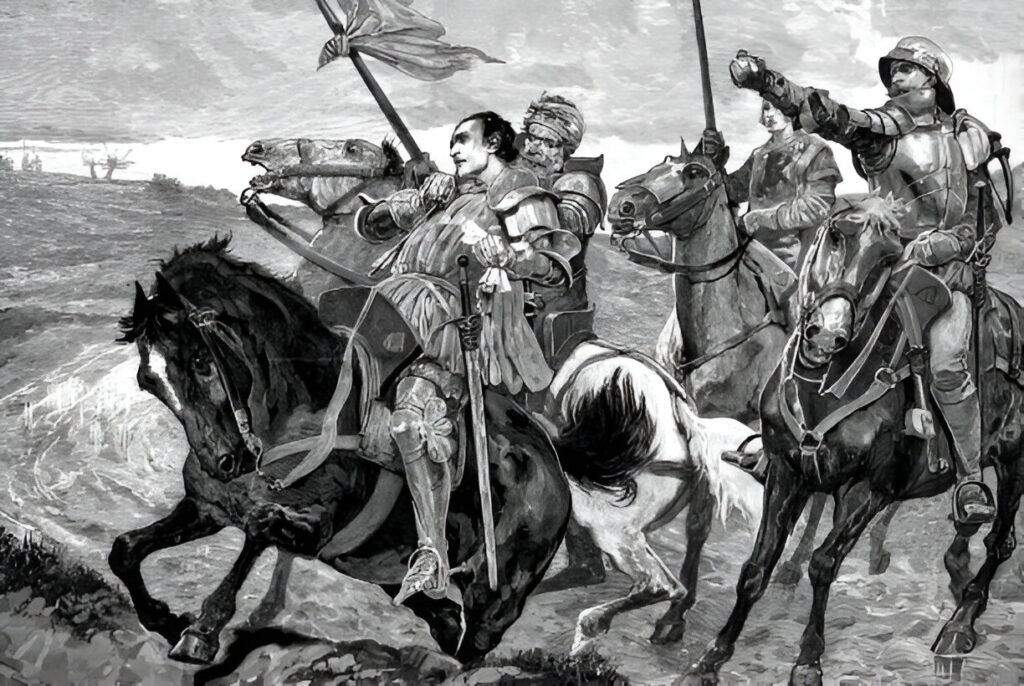
Spanish rule was marked by the imposition of Catholicism, land grants to Spanish settlers, and the suppression of native Filipino culture. Over time, resentment grew as the Filipino people endured harsh taxes and abuses by colonial authorities.
A turning point in the fight for independence came in the late 19th century. Filipino nationalists like Jose Rizal, Andres Bonifacio, and Emilio Aguinaldo began to rise up, advocating for reforms and ultimately seeking full independence. The formation of secret revolutionary groups, such as the Katipunan, signified the increasing desire to free the country from Spanish rule.
The Philippine Revolution (1896 - 1898)
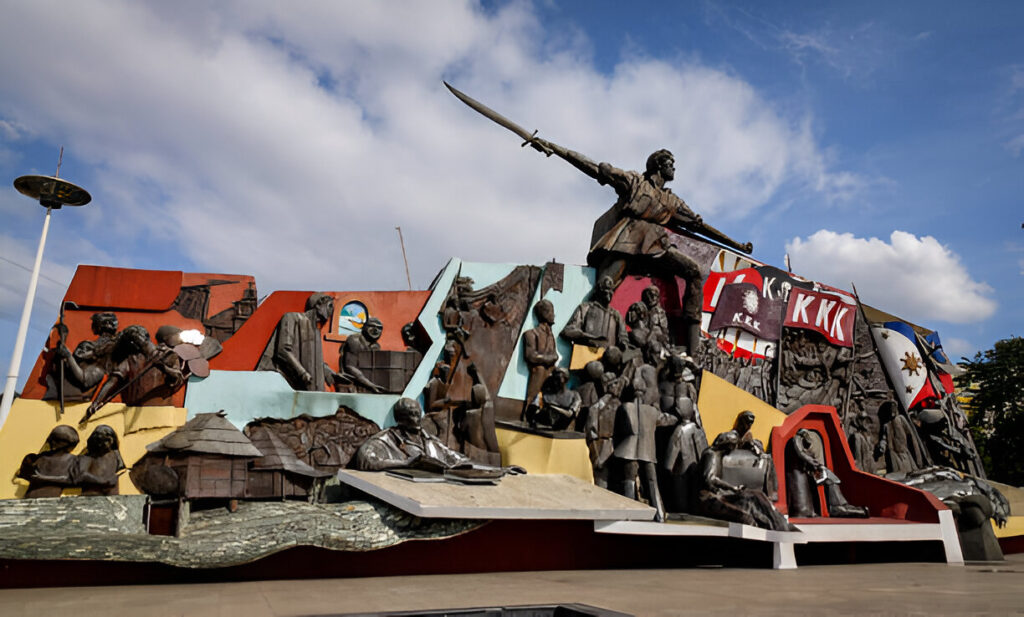
In 1896, the Katipunan, a revolutionary society led by Andres Bonifacio, began a full-scale revolt against Spanish rule. Bonifacio’s call for rebellion was a response to decades of oppression and abuse. Despite initial setbacks and Bonifacio’s eventual execution, the revolution continued under the leadership of Emilio Aguinaldo, who would later become the first president of the Philippines.
The Battle of Manila Bay in 1898 marked a decisive moment in the revolution. The Spanish fleet was destroyed by the United States Navy, signaling the end of Spanish colonial rule. Aguinaldo declared Philippine independence on June 12, 1898, in Kawit, Cavite, raising the Philippine flag for the first time.
The Treaty of Paris (1898)
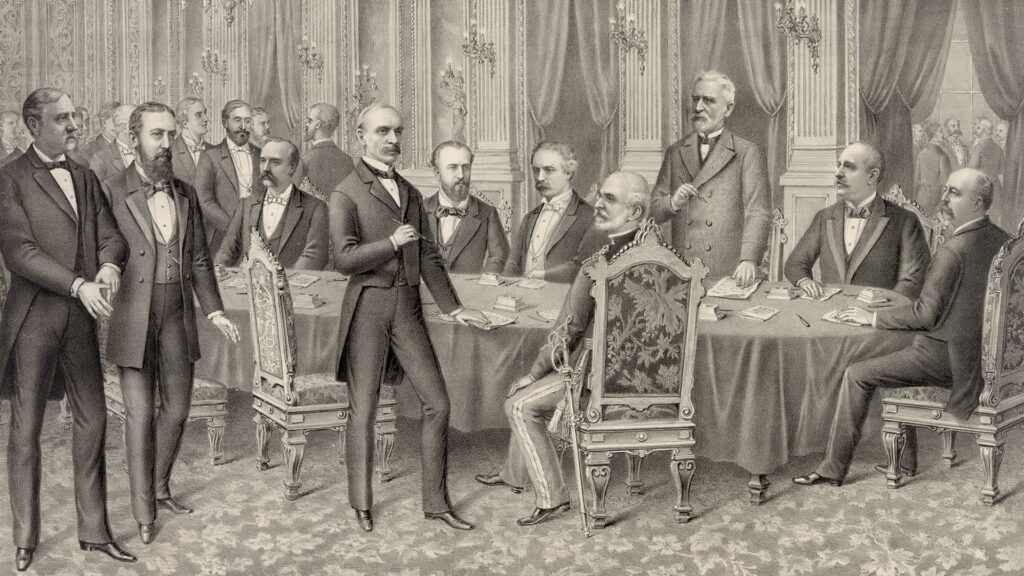
Following the defeat of Spain in the Spanish-American War, the Treaty of Paris was signed in December 1898. The treaty transferred control of the Philippines from Spain to the United States for $20 million. Although this marked the end of Spanish colonization, it led to the Philippine-American War as Filipino revolutionaries, led by Aguinaldo, fought to secure their independence from the United States.
The Philippine-American War (1899 - 1902)
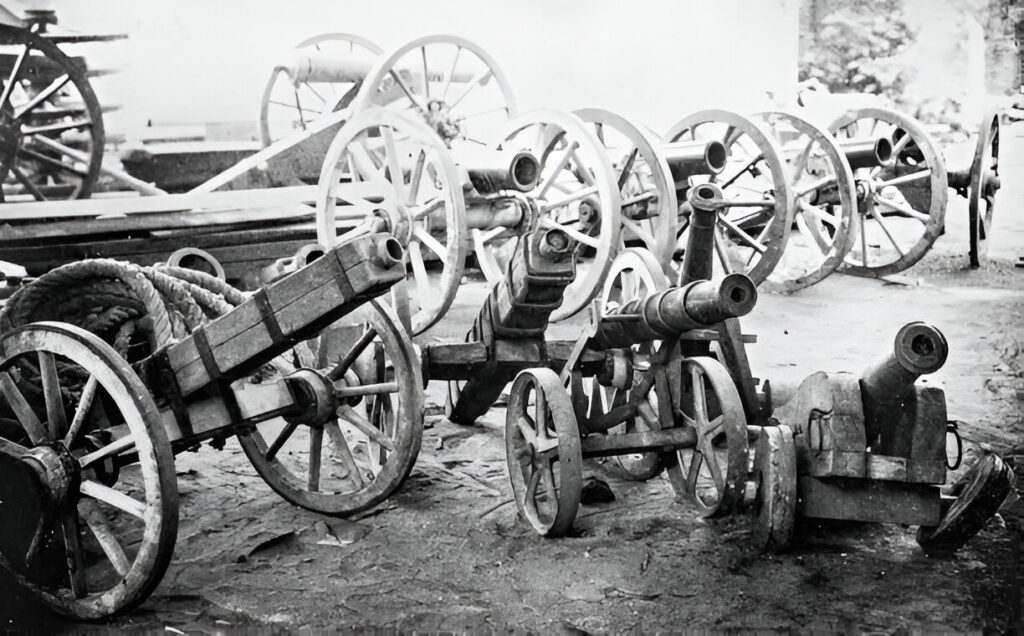
The Philippine-American War was a brutal conflict that lasted from 1899 to 1902. The Philippine forces, initially led by Emilio Aguinaldo, fought against the American occupation. The war was marked by fierce battles, civilian suffering, and atrocities committed by both sides. The United States ultimately prevailed, and Aguinaldo was captured in 1901, signaling the end of organized resistance.
Though the war ended with the Philippines under American control, the fight for independence did not. Filipino nationalist sentiments continued to simmer beneath the surface as the country slowly modernized under American rule.
The Commonwealth Era (1935 - 1941)
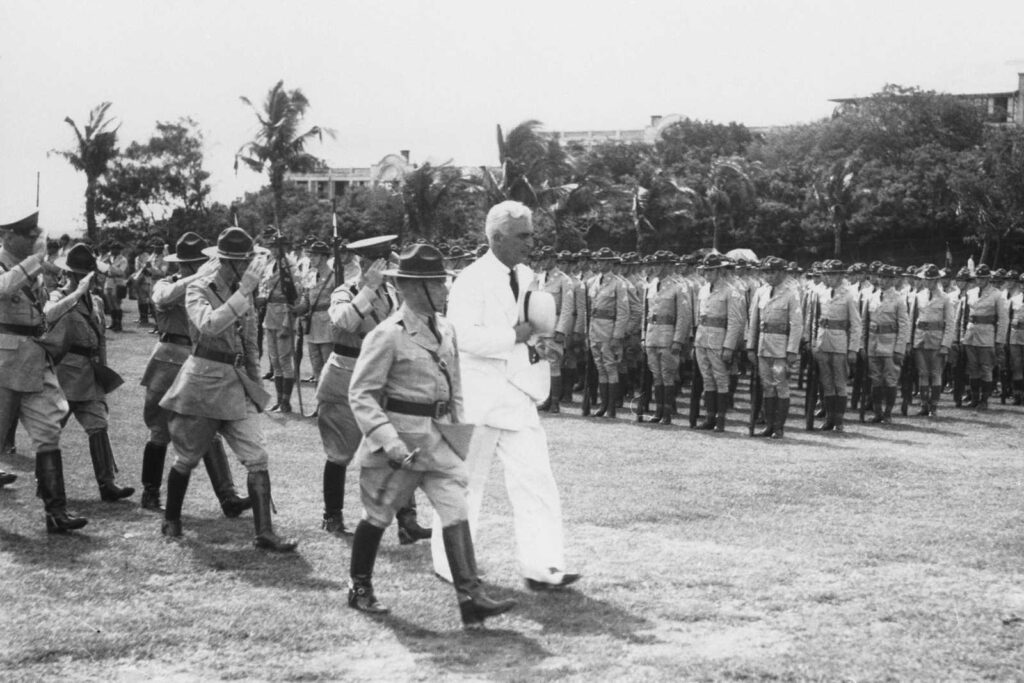
In 1935, the Philippines was granted a Commonwealth status, which marked a significant step toward independence. Under the leadership of President Manuel L. Quezon, the Philippine government took control of its internal affairs, while the United States retained control over foreign policy and defense. The Commonwealth government worked on building institutions, preparing the country for full independence, which was scheduled for 1946.
Despite these advancements, the outbreak of World War II in 1941 disrupted the Philippines’ path to independence. The Japanese invasion of the Philippines in December 1941 forced the Commonwealth government into exile and led to a brutal occupation by Japan.
Japanese Occupation and the Struggle for Freedom (1942 - 1945)
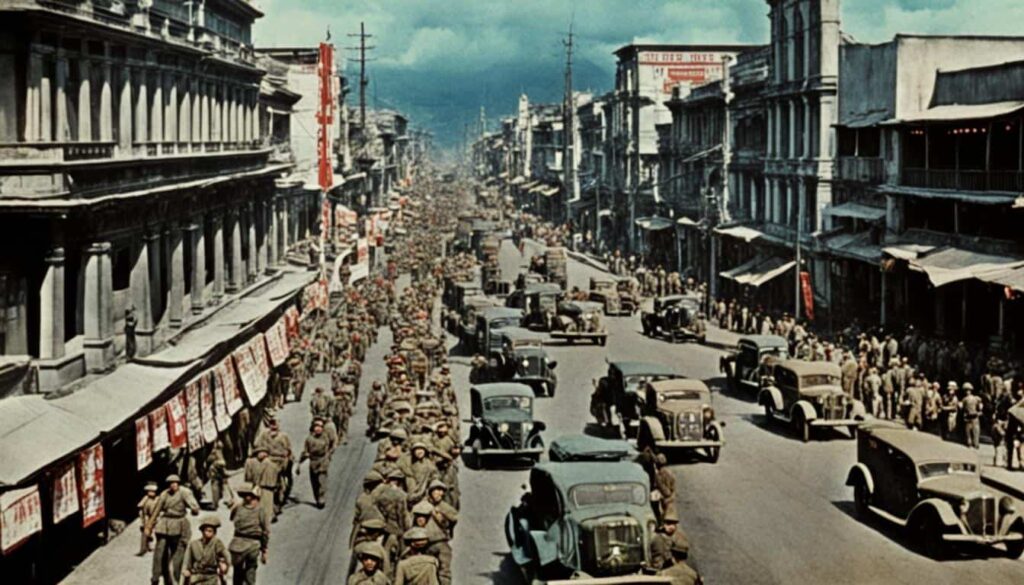
The Japanese occupation of the Philippines during World War II was a dark chapter in the nation’s history. From 1942 to 1945, the Filipino people endured atrocities, including the infamous Bataan Death March, where thousands of Filipino and American prisoners of war were forced to march under brutal conditions. The Filipino resistance, however, remained strong, with guerrilla fighters actively opposing Japanese forces.
The eventual liberation of the Philippines by American and Filipino forces in 1945 helped pave the way for the Philippines to regain its sovereignty. After the war, the United States recognized the Philippines’ independence, fulfilling the promise made in 1935.
Philippine Independence Act and Full Sovereignty (1946)
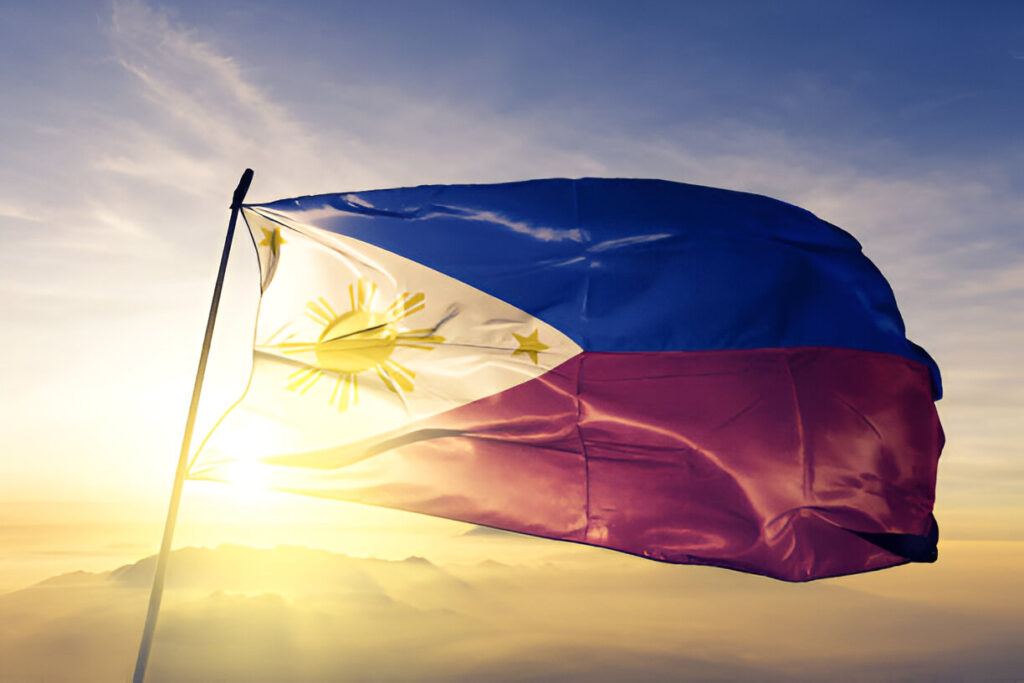
On July 4, 1946, the Philippines officially gained independence from the United States. The Philippine Independence Act, also known as the Tydings-McDuffie Act, paved the way for the establishment of the Third Republic of the Philippines. Manuel Roxas became the first president of the independent republic, and the country began the arduous task of rebuilding after the devastation of war.
The key events that shaped Philippine independence were marked by resistance, sacrifice, and resilience. From the arrival of foreign colonizers to the ultimate victory over colonial powers, the Philippines’ path to freedom was not easy, but it was one defined by courage and determination. The struggles of the past continue to resonate today as Filipinos celebrate their independence, reminding the world of the power of unity and self-determination.